WHO I AM
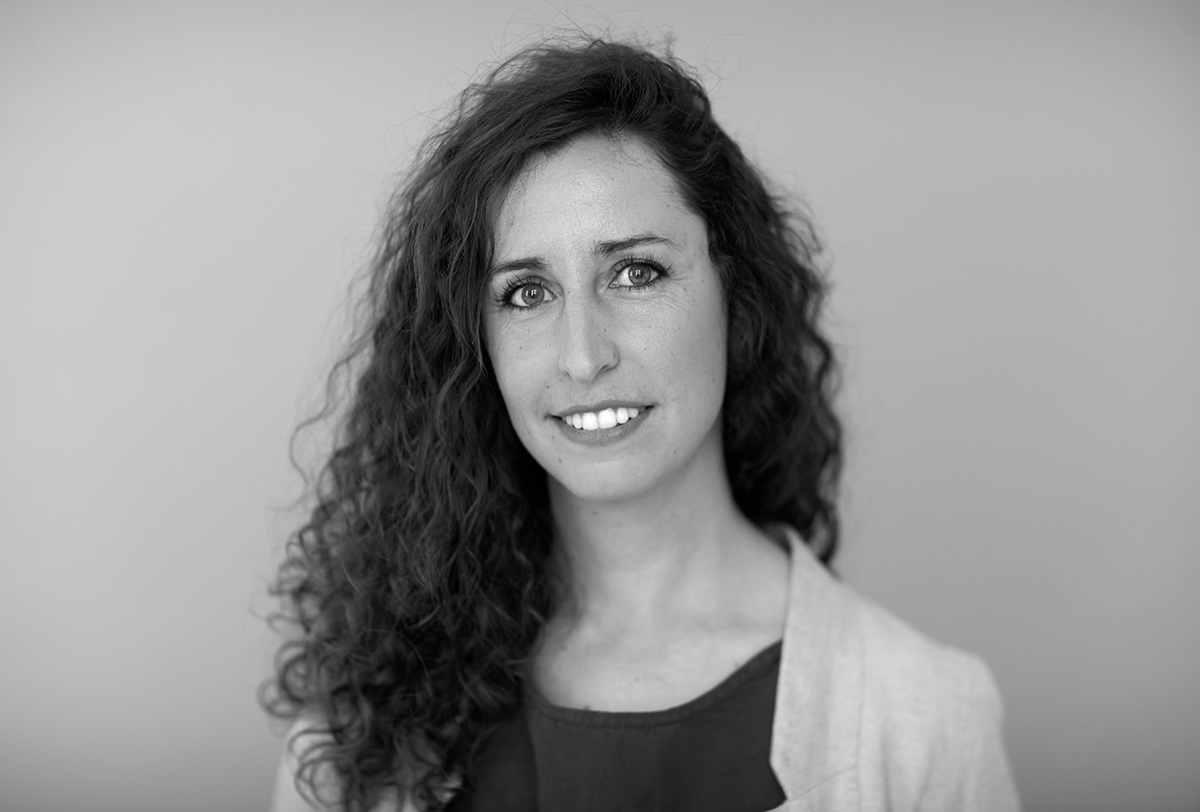
I work with people who are looking for more clarity, direction, and connection in their lives - especially when something feels overwhelming, stuck, or difficult to carry alone.
My path into therapeutic work began through many years of meeting people in vulnerable and complex life situations. Working in mental health care and acute psychiatry gave me a deep respect for how much people carry, and how important it is to be met with both humanity and depth.
Over time, my work in research, mental health promotion, and psychotherapy has shaped the way I work today. I bring together clinical experience, academic understanding, and an integrative approach that pays attention to mind, body, and the wider context of a person’s life.
For me, therapy is a space where you do not have to perform or have everything figured out. It can be a place to pause, reflect, and understand more clearly what is happening in you and around you.
THERAPY
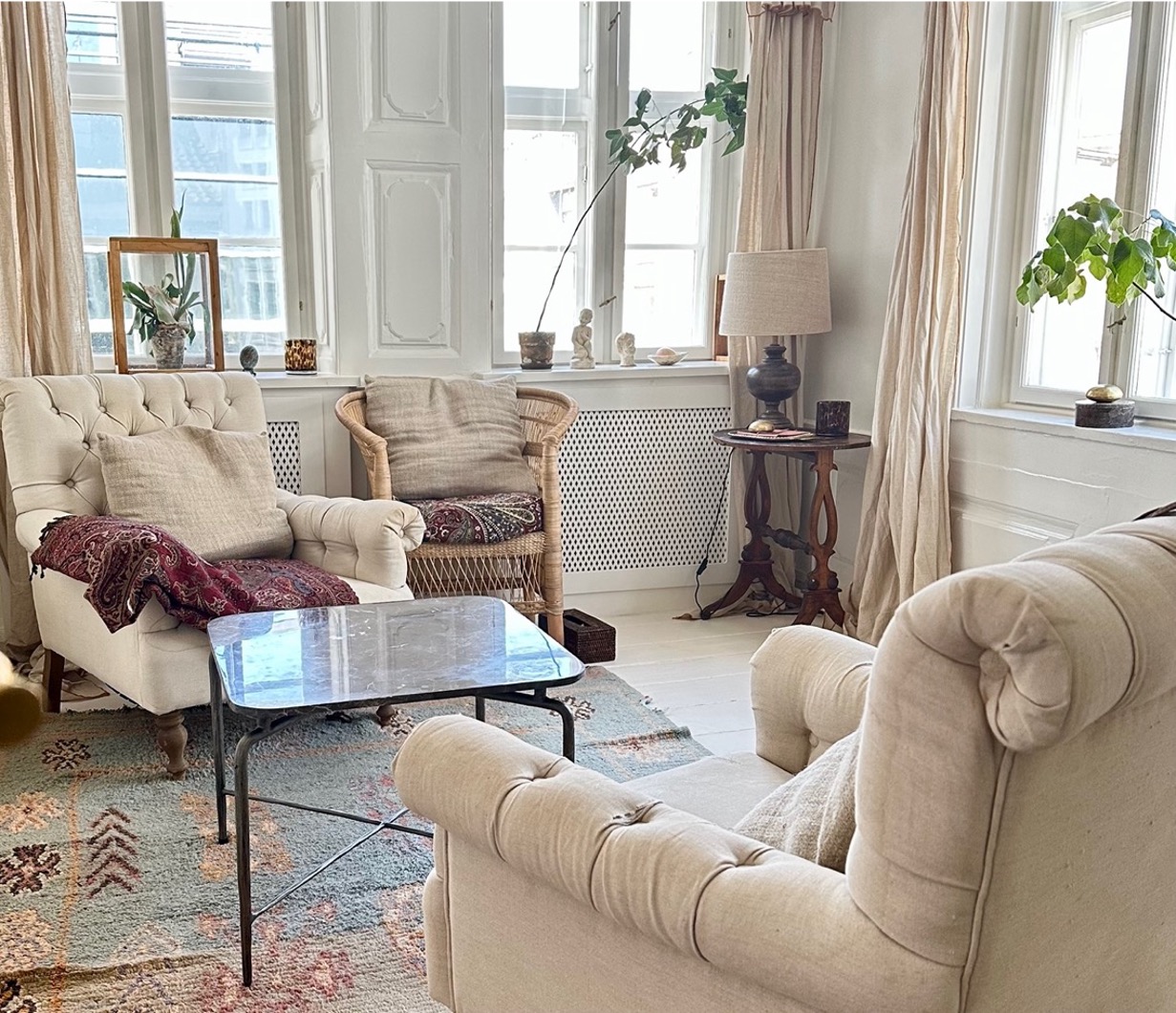
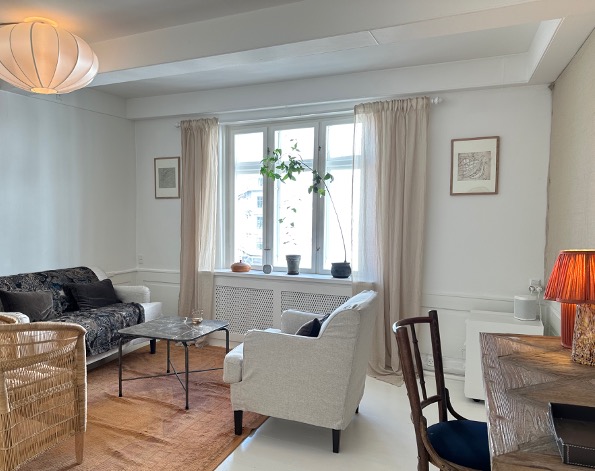
I work in a calm, exploratory, and relational way, with respect for your pace and attention to what is happening between us in the room.
In therapy, I am not focused on quick solutions. I am interested in understanding what is actually happening - in you, in your body, and in the space between us. We slow down, notice, and explore what feels true and important for you.

EXPERIENCE
My experience is rooted in therapeutic work, mental health care, research, teaching, and selected collaborations within the field of mental well-being.
Over the years, I have worked with people moving through stress, life transitions, emotional pain, health challenges, and the feeling of not quite belonging. This has shaped the way I meet people today - with depth, care, and attention to both inner life and wider life circumstances.
My therapeutic work is grounded in humanistic psychology and Gestalt methodology, and informed by an integrative perspective. Depending on what supports your process, I may draw on emotion-focused work, compassion-based approaches, body-oriented work, mindfulness, and experiential methods.
Working in mental health care and acute psychiatry gave me a deep respect for how much people can carry, and how important safety, presence, and human connection are when someone is living through crisis, overwhelm, or psychological pain.
I hold an MSc and a PhD in Mental Health Promotion and have worked for more than 10 years in research, teaching, and mentoring within the field of mental health. My academic work has given me a deeper understanding of how stress, relationships, working conditions, and social context shape psychological well-being.
I also have experience working with young adults and others who are navigating identity, emotional pressure, low self-worth, relational difficulties, or uncertainty about direction in life. In these situations, it is often essential to create a safe space where things can become clearer and begin to move.
Through both personal and professional experience, I understand how deeply illness can affect identity, hope, and the relationship with one’s own body. I aim to support people in finding a steadier and more life-supporting way forward when living with long-term strain, fatigue, pain, burnout, or chronic health challenges.
BACKGROUND
My professional background brings together mental health care, psychiatry, research, teaching, and continued therapeutic training.
My professional path began in mental health and psychiatry, where I trained as a mental health nurse. This gave me a strong clinical foundation and early experience in meeting people in vulnerable and complex life situations.
My academic path includes a master’s degree in research methods and advanced nursing practice, followed by a PhD in Nursing Science. This deepened my understanding of how physical and mental well-being are interconnected, and how relationships, context, and life conditions shape mental health.
Through more than 10 years of teaching, mentoring, and academic work, I have supported students and professionals within the field of mental health. This has strengthened my ability to translate complex knowledge into something meaningful and usable in practice.
Today, I am in the fourth year of my therapeutic training at GIS, the Gestalt Institute of Scandinavia. The training takes place in English in a multicultural and experiential learning environment, and combines theory, personal therapy, supervision, and extensive practical therapeutic training.
CLIENT EXPERIENCES
QUALITY
As a therapist, I see supervision as a natural and important part of responsible practice. It supports reflection, professional development, and the ongoing care needed to meet clients with depth, clarity, and ethical responsibility.
Supervision gives me space to reflect on my work and continue developing as a therapist. It helps me stay attentive to the therapeutic process and to the responsibility that comes with working closely with other people.
Supervision always takes place with full respect for the client’s anonymity and dignity. The purpose is never to share personal stories, but to reflect on the therapeutic work in a careful and professional way. I am a member of the Danish Association of Psychotherapists (DPFO) and committed to their professional guidelines and ethical standards.
All personal information is treated confidentially and in accordance with applicable data protection rules, including GDPR. For me, supervision, professional affiliation, and ethical accountability are essential parts of maintaining quality, responsibility, and care in therapy.

IN THERAPY
In therapy, I often work with the deeper patterns beneath what feels difficult on the surface. These are some of the themes I pay particular attention to together with my clients.
How stress, inner pressure, or emotional intensity can build up when there is too little space to feel, pause, or recover.
How people lose contact with their own direction, sense of self, or inner clarity during periods of change, uncertainty, or transition.
How relational patterns, difficulty expressing needs, or unclear boundaries can affect self-worth, connection, and emotional safety.
How shame, self-doubt, and harsh inner expectations can shape the way people relate to themselves and move through life.
How loneliness, cultural transition, grief, or major life changes can affect a person’s grounding, sense of belonging, and emotional balance.
How long-term strain, fatigue, illness, or physical vulnerability can affect identity, hope, and the relationship to one’s own body and life.
FREQUENTLY ASKED QUESTIONS
It means that I do not work from one fixed formula. My work is grounded in humanistic psychology and Gestalt methodology, while also drawing on other perspectives when they support your process in a meaningful way.
Many people arrive without a clear starting point. Sometimes the work begins with a feeling, a tension, or a sense that something in life no longer feels right.
That is very welcome in therapy. I work with attention to thoughts, emotions, bodily experience, and the wider context of your life, because these are often deeply connected.
Therapy can be helpful in times of crisis, but also during periods of transition, disconnection, stress, self-doubt, or when you want to understand yourself more deeply.
A good therapeutic relationship matters. An introductory session can help you sense whether you feel comfortable, understood, and able to work with me in a way that feels right for you.
This is one of the reasons many people begin therapy. Sometimes what feels like being stuck is connected to overwhelm, loss of contact with yourself, or a life transition that needs more space and attention.
I work with people in English and Spanish, and I have a particular understanding of living between cultures, belonging, and starting over. At the same time, the themes I work with are deeply human and not limited to one specific group.
Therapy can offer a space to explore how long-term strain, fatigue, or health-related challenges affect your emotional life, your identity, and your relationship with yourself and others.
I nogle terapiformer ligger fokus primært på at forstå problemer gennem samtaler. I gestaltterapi arbejder man også med det, der kan mærkes i kroppen og i kontakten mellem mennesker. Det kan give en mere direkte oplevelse af egne mønstre, følelser og behov.
Gestaltterapi handler derfor ikke kun om at tale om livet – men også om at blive mere opmærksom på det, der sker i én selv, mens vi taler.
THERAPEUTIC APPROACH
There are different ways of working in therapy. My approach is grounded in humanistic psychology and Gestalt methodology, and shaped by an integrative perspective.
For me, therapy is not only about talking. It is also about noticing what you feel, what happens in your body, what patterns repeat themselves, and what begins to unfold in the space between us. I work in a relational and flexible way, drawing on different therapeutic perspectives depending on what supports you best.