
HOPE PROGRAM
Health, Owning, Personal Growth and Empowerment
When health changes, life changes with it.
What may begin as a diagnosis, treatment, or managing symptoms can also affect your sense of self, your relationships, your energy, and the way you experience everyday life and imagine the future.
This program is created for exactly that part of the experience. A place where what you are carrying does not need to be hidden, explained away, or managed alone. You do not need a specific diagnosis to take part. What matters most is your wish to listen more deeply to what the body has been holding.
HOPE offers a personalized individual plan and a supportive group experience to help you reclaim well-being and move forward with greater confidence, resilience, and hope.
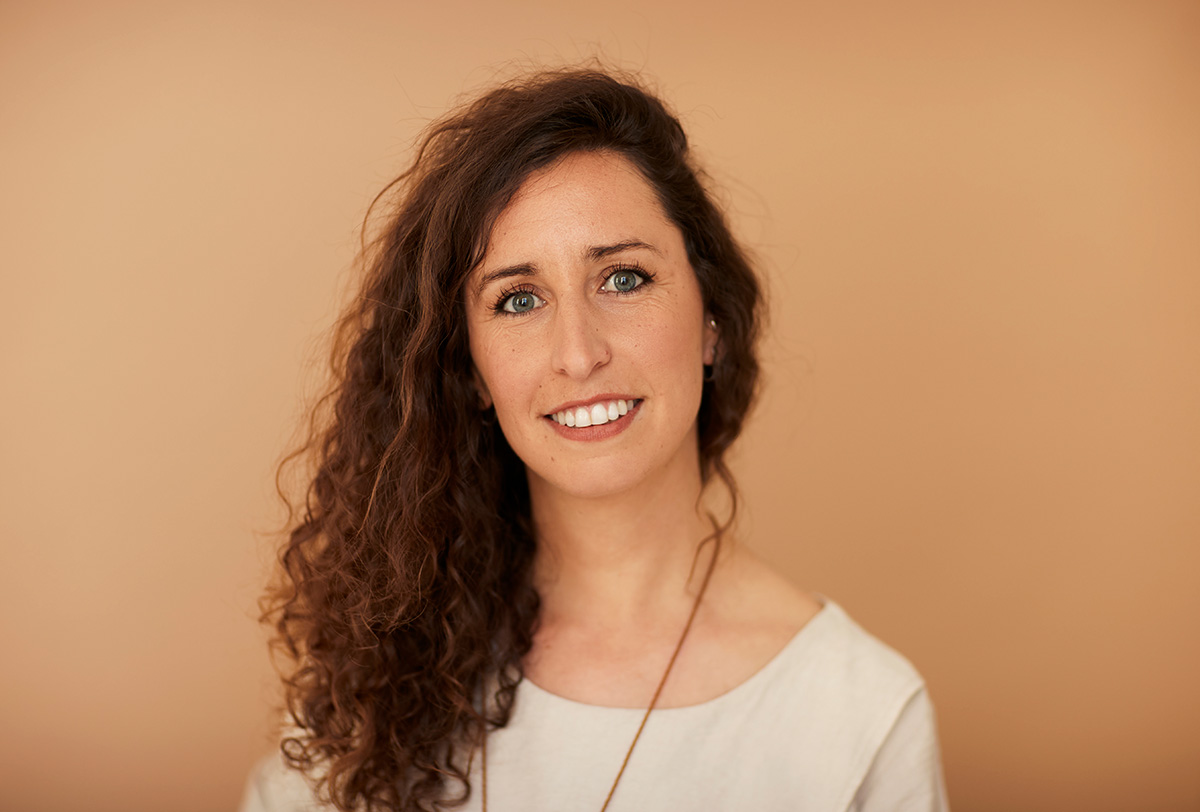
"I designed the program I wish had existed when my own health changed"
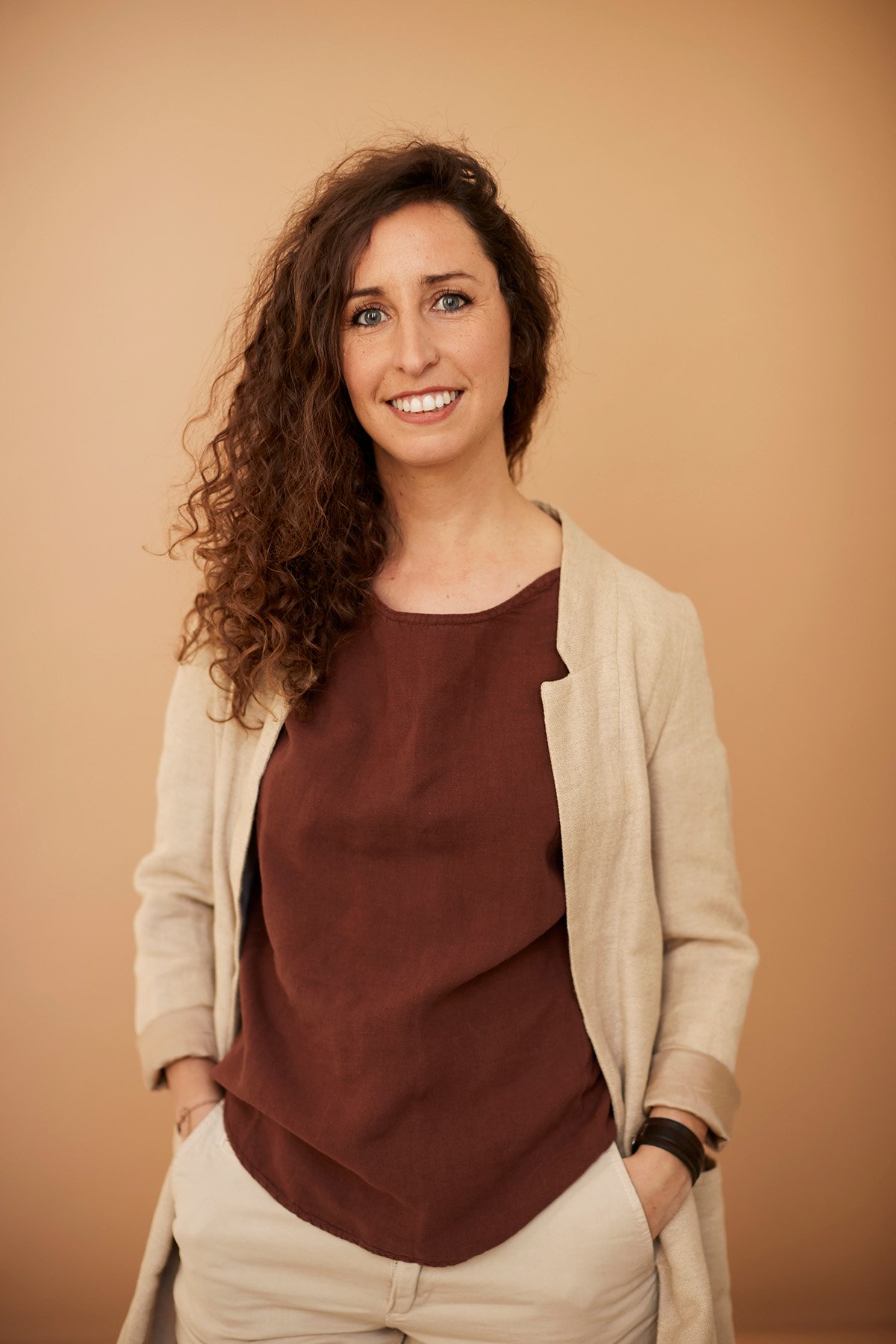
Elena Martins, Ph.D. Psychotherapist, Researcher and Mental Health Nurse, living with multiple sclerosis for 11 years.
HEALTH CHALLENGES
People may live with different diagnoses, but many recognise some of the same emotional and everyday struggles.
THE PROGRAM
HOPE is structured around four interconnected pillars that support whole-person well-being and sustainable change:
1) Emotional Well-being : Understanding yourself with greater compassion and resilience.
2) Body Awareness & Vitality: Reconnecting with your body through movement, presence and self-care.
3) Relationships & Connection: Building meaningful relationships, belonging and authentic connection.
4) Nutrition & Lifestyle: Creating daily habits that support energy, recovery and long-term well-being.
Depending on your needs, a personalized plan will be offered to work on these pillars, while a core aspect of the program is to participate within the HOPE group support.
POSSIBLE OUTCOMES
Facing illness can affect how you feel in your body, how you see yourself, and how you relate to everyday life and other people.
Through individual and group process, many begin to experience more understanding, more steadiness, and new ways of living with what they are carrying.
Participants may begin to experience:
You may begin to relate to your condition with more acceptance, integrate better the different parts of yourself, and to gain a greater sense of how to live with it in everyday life.
You may discover that others understand more than you expected, and that being part of a group can bring relief, recognition, and connection.
You may begin to feel more calm in your body and in your thoughts, and a greater sense of balance and sense of aliveness in everyday life.
You may experience greater self-acceptance, more contact with your body, and a stronger sense of standing more safely and freely in your own life.
You may find language for experiences that have felt confusing, private, or difficult to explain to others.
Through the group process and the methods we work with, you may begin to find a more supportive rhythm and better ways of caring for yourself in daily life.
You may reconnect with a renewed sense of what remains possible, and with parts of yourself that still long for meaning, connection, and life.
You may feel part of a shared human experience, where different diagnoses can still meet in common feelings of loss, change, vulnerability, and connection.
CLIENT EXPERIENCES
FREQUENTLY ASKED QUESTIONS
This group may be relevant for you if living with a health condition has affected more than your body. You may recognise feelings such as grief, uncertainty, loneliness, loss of direction, pressure, or the sense that life has changed in ways other people do not fully see. The Well-being Assessment is there to help you explore whether the group feels like a good and supportive match for you.
People living with chronic illness, autoimmune conditions, cancer, fertility challenges, depression, anxiety, or other major health changes.HOPE supports emotional wellbeing, relationships, lifestyle, and navigating life changes.
Not sure if it’s for you? Let’s talk.
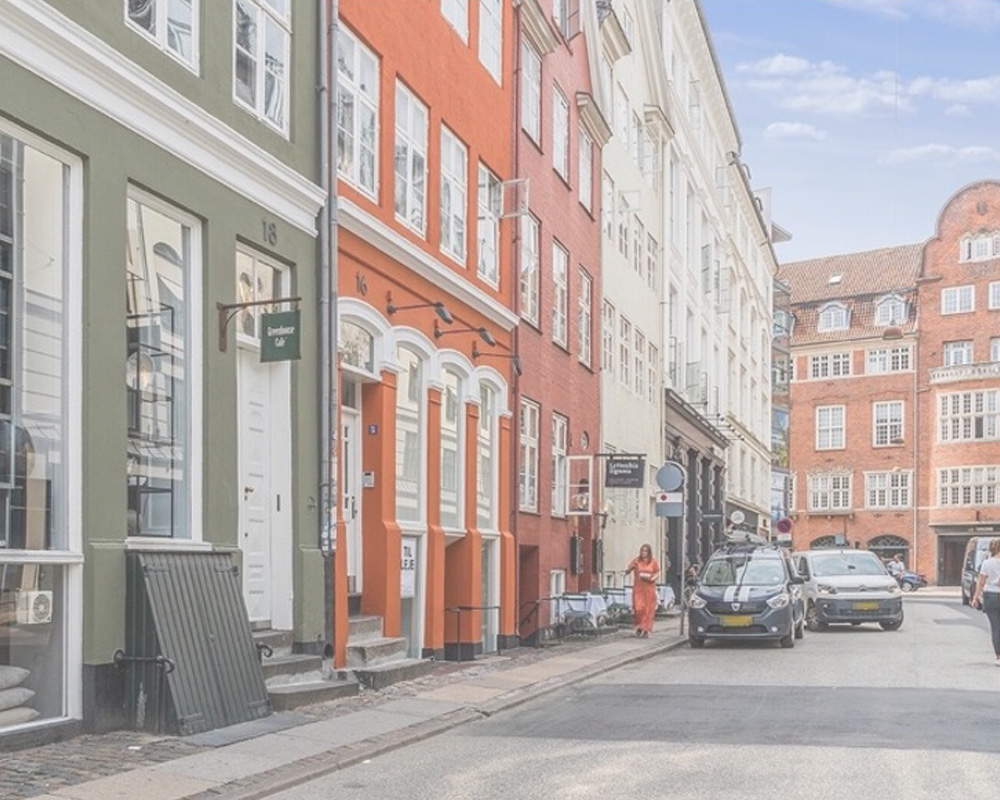
The group meets every Monday at 18:00 pm in my practice at Grønnegade 18, Copenhagen. Each session lasts approximately 3 hours.
A 60-minute individual meeting to explore your needs, challenges, and goals.
We review your questionnaire results and create a personalized support plan together. It is also a chance to experience my approach and decide if HOPE feels right for you.
You can begin by signing up for the first 7-session programme. After that, you have the option to continue in the group on a monthly subscription basis if it still feels meaningful and supportive for you.
That is completely okay. You are welcome to begin quietly and take part at your own pace. No one is expected to share more than feels right. Many people need time to arrive, listen, and build trust before speaking more openly.
That is understood and welcomed as part of the reality of living with health challenges. The group is designed with awareness of different levels of energy, capacity, and daily variation. We work in a respectful way, and there is room to take part as you are.
ABOUT ELENA
I am a psychotherapist, researcher, and mental health nurse with a professional background that brings together academic and clinical experience in healthcare, psychology, and public health.
For many years, I have explored what truly supports people's well-being—not only through treatment, but also through the conditions in which we live and the way we relate to ourselves, our bodies, and others. This journey is also deeply personal. Living with multiple sclerosis for more than a decade and facing multiple health challenges, has transformed the way I understand health, vulnerability, and what it means to live well alongside illness.
HOPE grew out of bringing together what I have learned through both my professional work and my own lived experience.
My aim is to meet you wherever you are in your journey and create a space where new ways of understanding yourself, relating to your health, and moving forward with greater confidence and hope can emerge.
GETTING STARTED
You can begin with a 60-minute Well-being Assessment, where we meet individually and explore what you are living with right now.
Before the session, you will receive a short questionnaire about your health, energy, everyday life, and current challenges. This helps create a clearer starting point and gives me a fuller sense of your situation.
In the session, there is space to talk about what feels difficult, what kind of support you are looking for, and whether this group feels like a good match for you.
900 kr. DKK 450
60 min.
GROUP SUPPORT WITHIN THE HOPE PROGRAM
You can begin by joining the first 7 group sessions, meeting once every other week in a steady and supportive format.
Each session lasts 2.5 to 3 hours and offers space for reflection, guided exercises, shared themes, and a gradual process of building trust, self-understanding, and support in the company of others.
The 7-session programme is designed as a clear starting point. If it feels meaningful to continue, you will have the option to remain in the group on a monthly subscription basis and keep meeting weekly.
3.500 DKK 2,975 (15% initial discount)
7 sessions of 3 hours each
THE PRACTICE
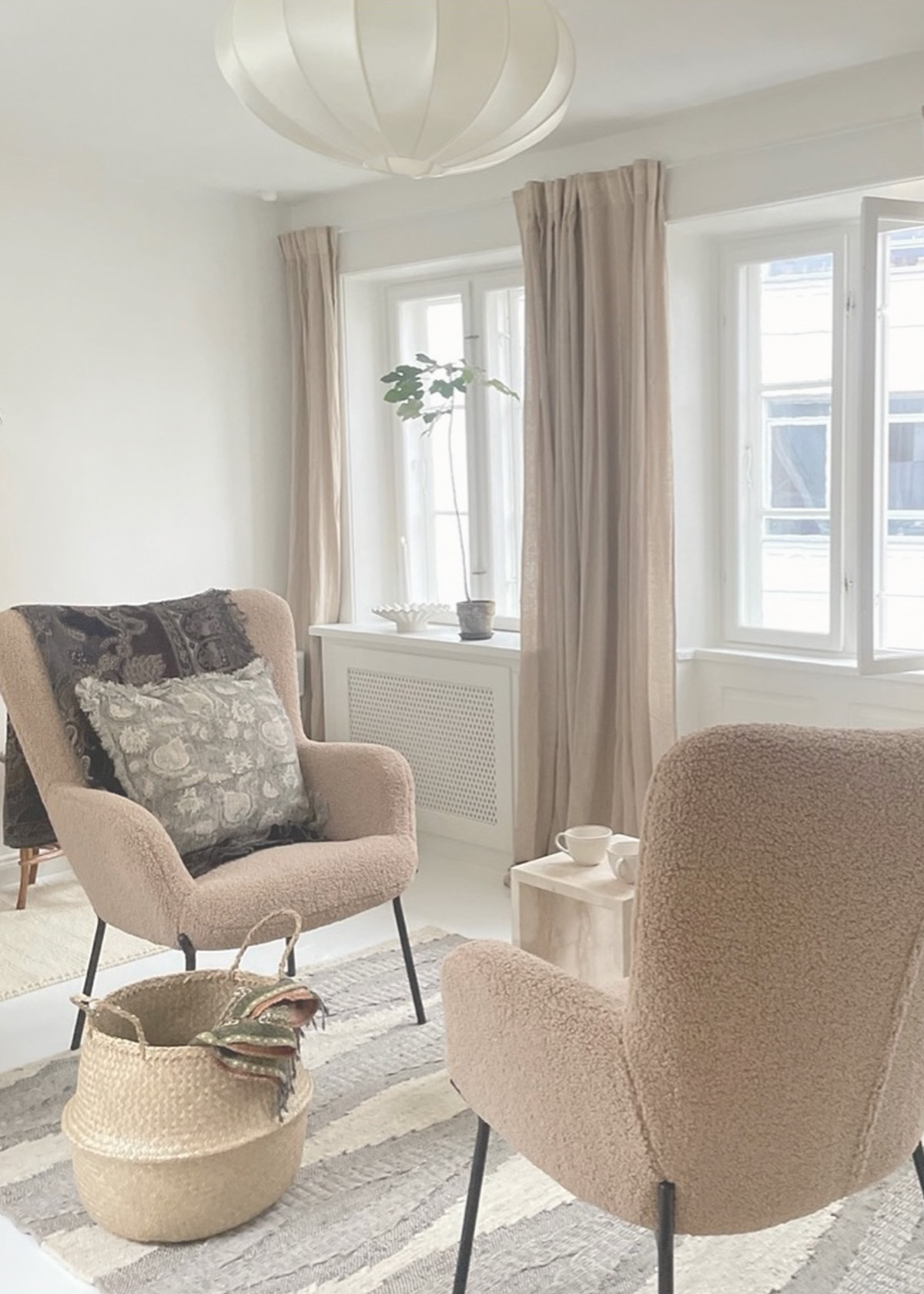
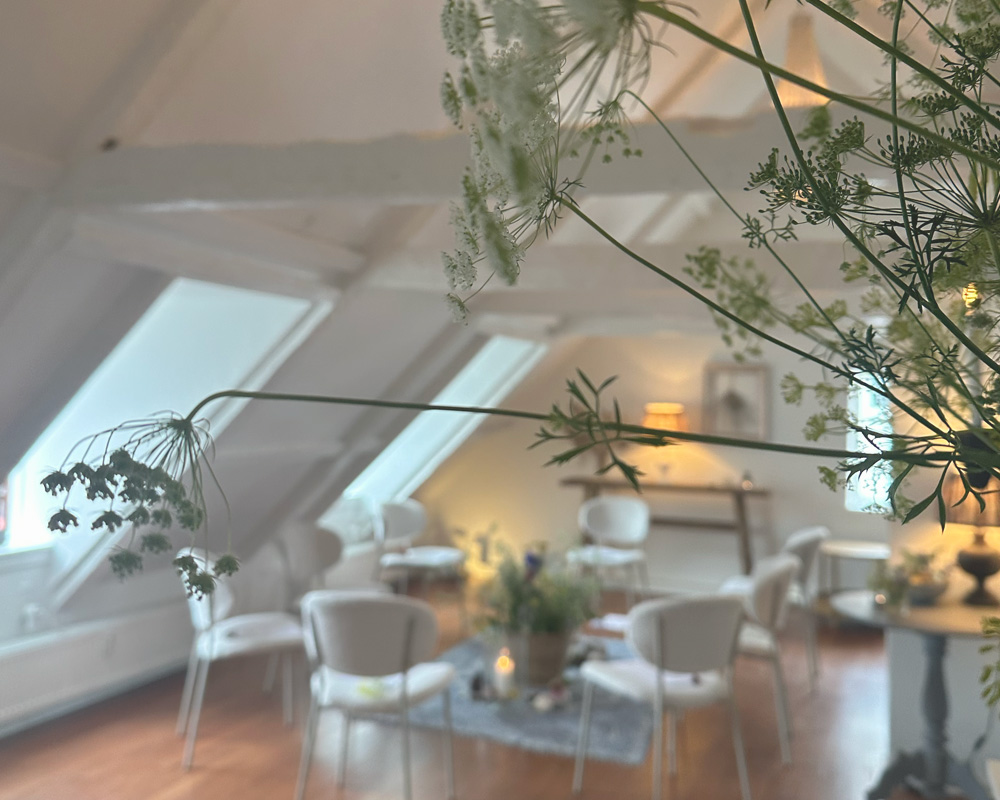
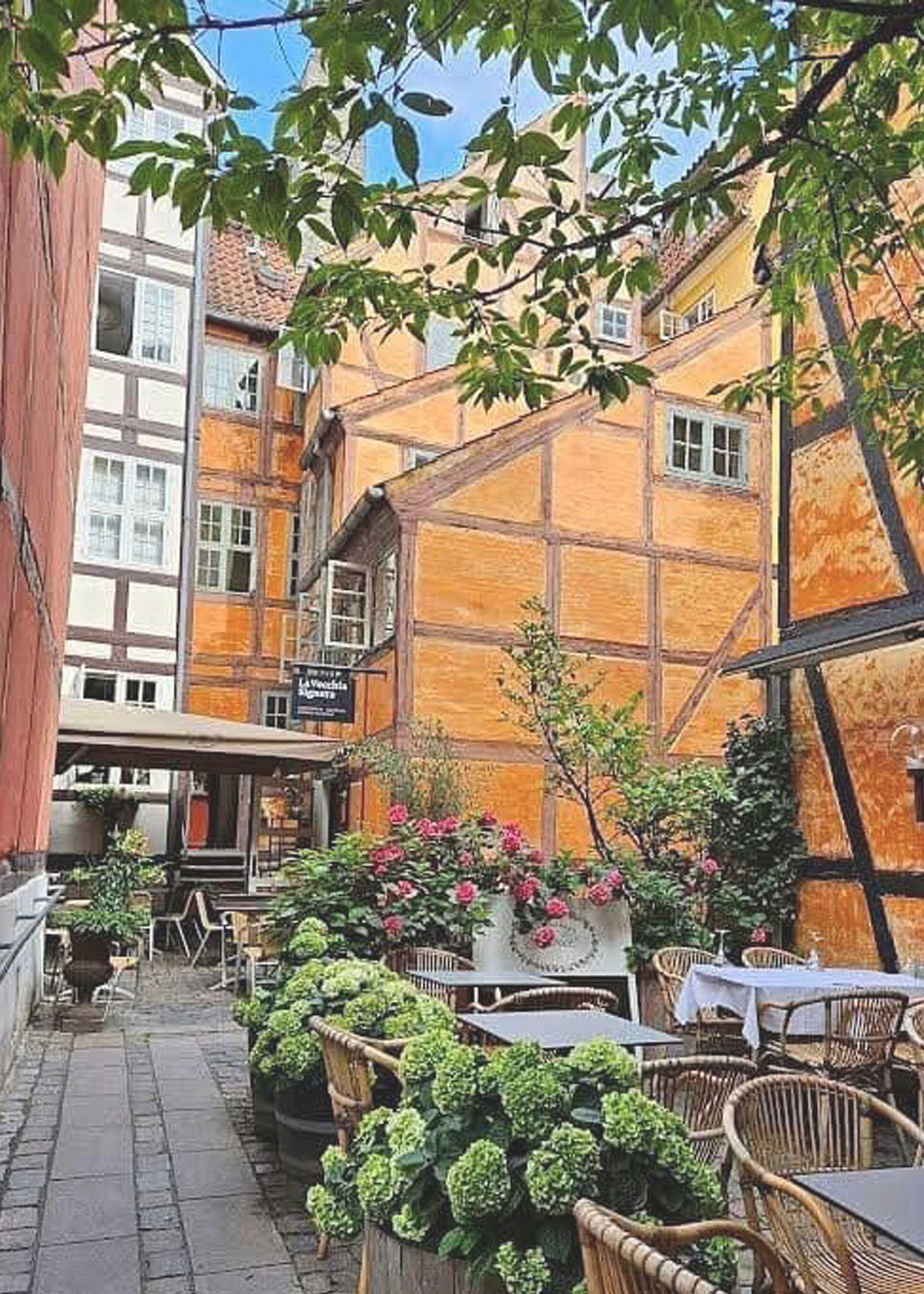
The group takes place in my practice in Grønnegade in central Copenhagen, just a few minutes’ walk from Kongens Nytorv.
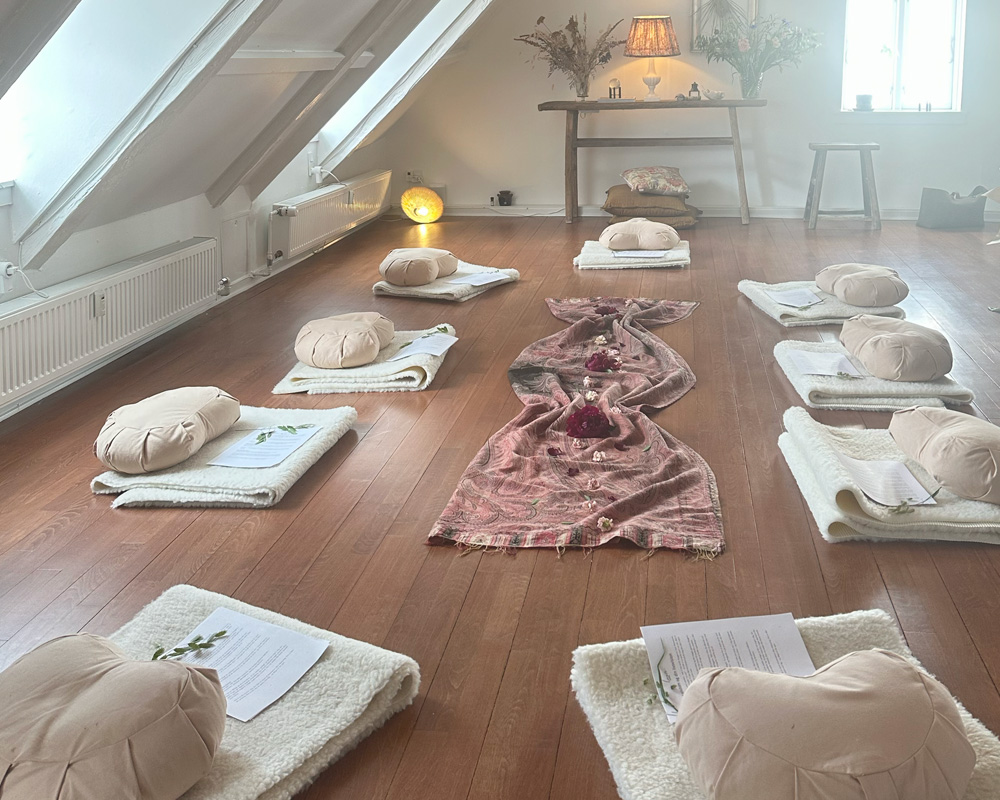
We meet in a beautiful group room with soft natural light and a warm, welcoming atmosphere.
The space is created to support calm, safety, and shared therapeutic work. There is room to take part in the way that feels most comfortable for you, whether that means sitting in a chair or using cushions or floor support during parts of the session.

UNCERTAINTY
Many people arrive with both hope and uncertainty.
You do not need to know exactly what you want to say or where to begin.
If you are in acute distress or need urgent medical or psychiatric support, it may be more helpful to contact your doctor or another relevant professional first.
You are very welcome to book a Well-being Assessment if you would like to explore whether this feels like the right next step for you.